
The Battle of the Grains: Wheat vs Rice: Which One Comes Out on Top?
WHITE RICE VS WHITE SOURDOUGH
Rice and wheat are two of the most widely consumed grains in the world.
Both have been dietary staples for thousands of years and both can absolutely form part of a balanced diet.
But bread often gets treated differently.
We regularly hear people say they have stopped eating bread "for health reasons", while rice is often considered the healthier choice.
So, how do they actually compare?
Let's put white rice and white sourdough head-to-head across four important areas of nutrition.
ROUND ONE: PROTEIN
Protein is essential for building and repairing tissues, supporting immune function and maintaining muscle mass.
While neither white rice nor white sourdough is considered a high-protein food, white sourdough contains ~10g per 100g depending on the loaf, compared to white rice ~ 2.7g of protein per 100g.
White sourdough can therefore provide more protein per serving than a similar serving of cooked white rice.
And this is an important distinction: bread isn't simply a source of carbohydrates. A properly made loaf can contribute protein alongside its carbohydrates.
Winner: WHITE SOURDOUGH


ROUND TWO: FIBRE
Fibre is an important part of a healthy diet.
It supports normal digestion, contributes to feelings of fullness and plays an important role in maintaining a healthy gut.
Both foods have had parts of the original grain removed during processing.
White rice has its bran and germ removed during milling, leaving mostly the starchy endosperm.
White flour is also refined, with much of the bran and germ removed. So neither food should be confused with it’s wholegrain counterpart.
However, white sourdough can still provide more fibre than white rice, depending on the flour and recipe.
And if you move from white sourdough to a wholegrain sourdough, the difference becomes even more significant.
Rest assured you are eating wholegrains at Butterken Bakery.
We have a blend of wholegrain flours in all of our loaves meaning even more nutrition for you.
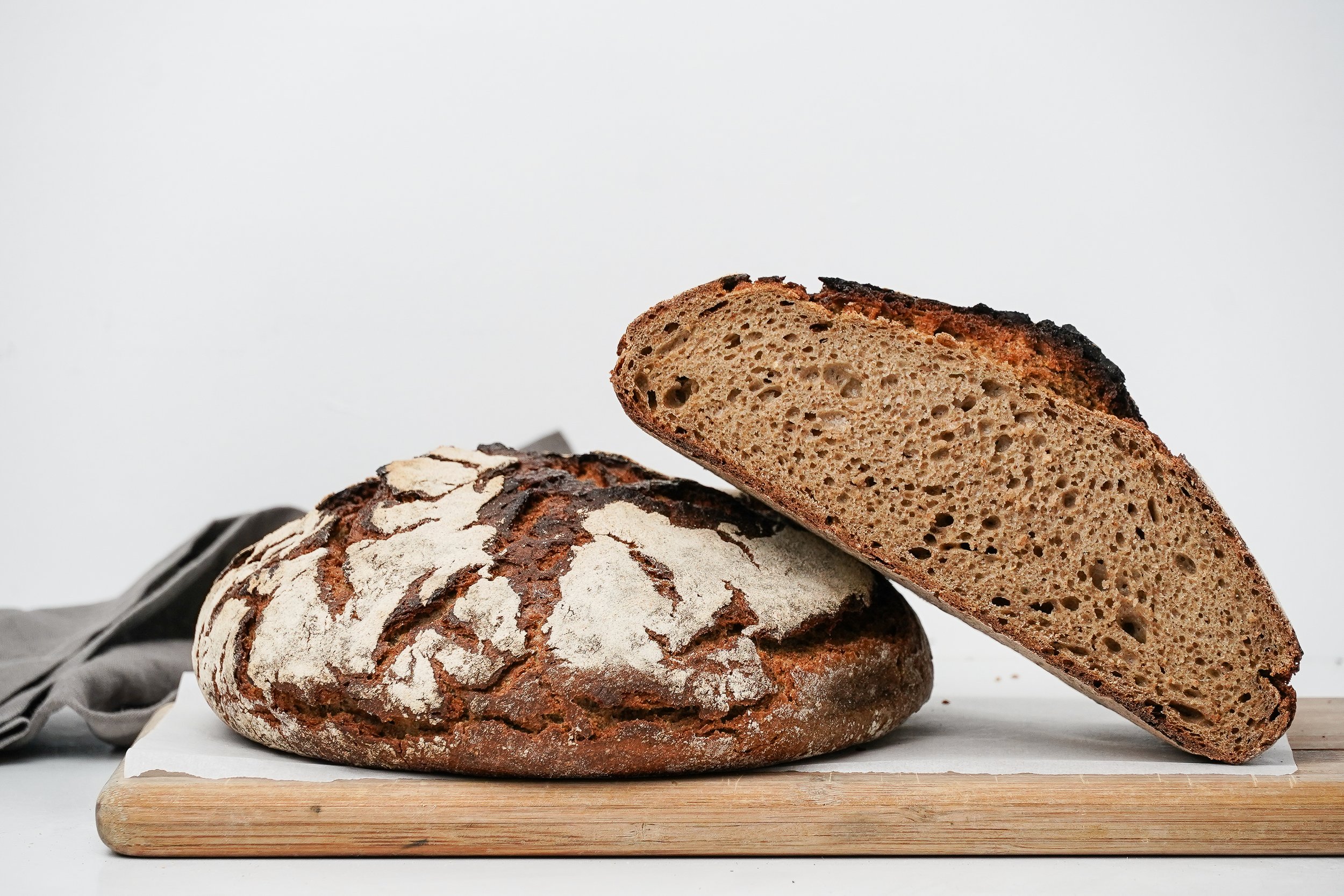
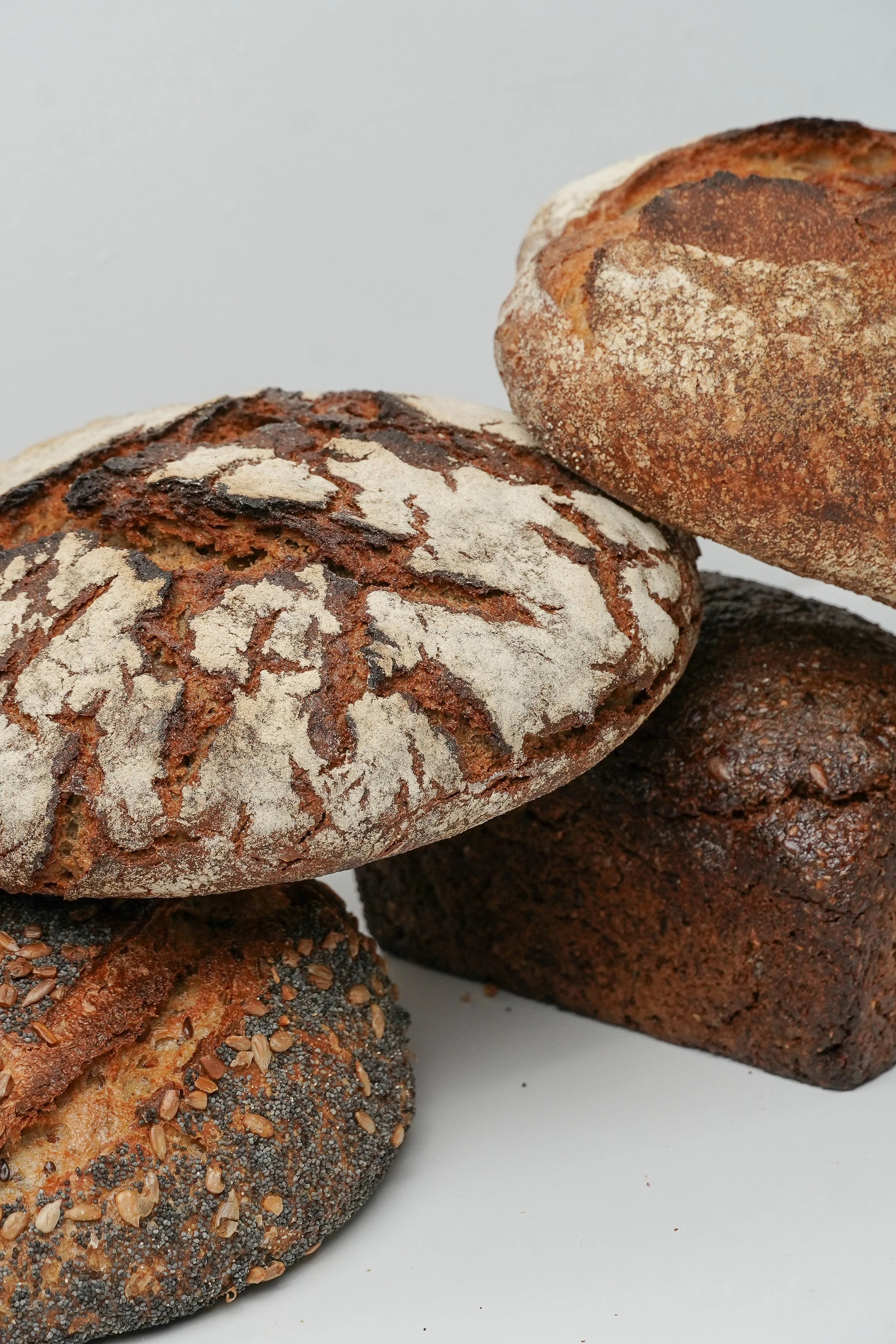
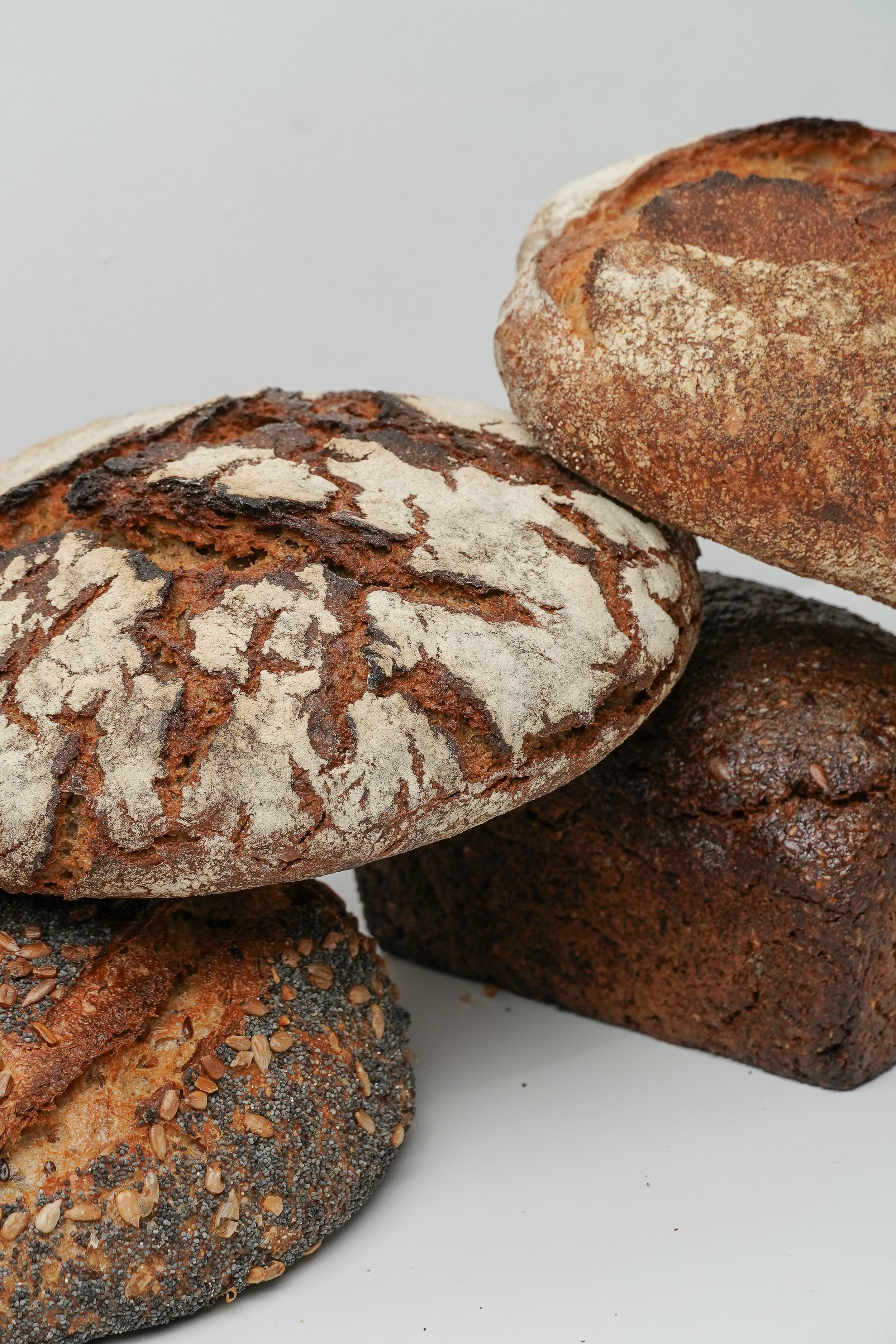
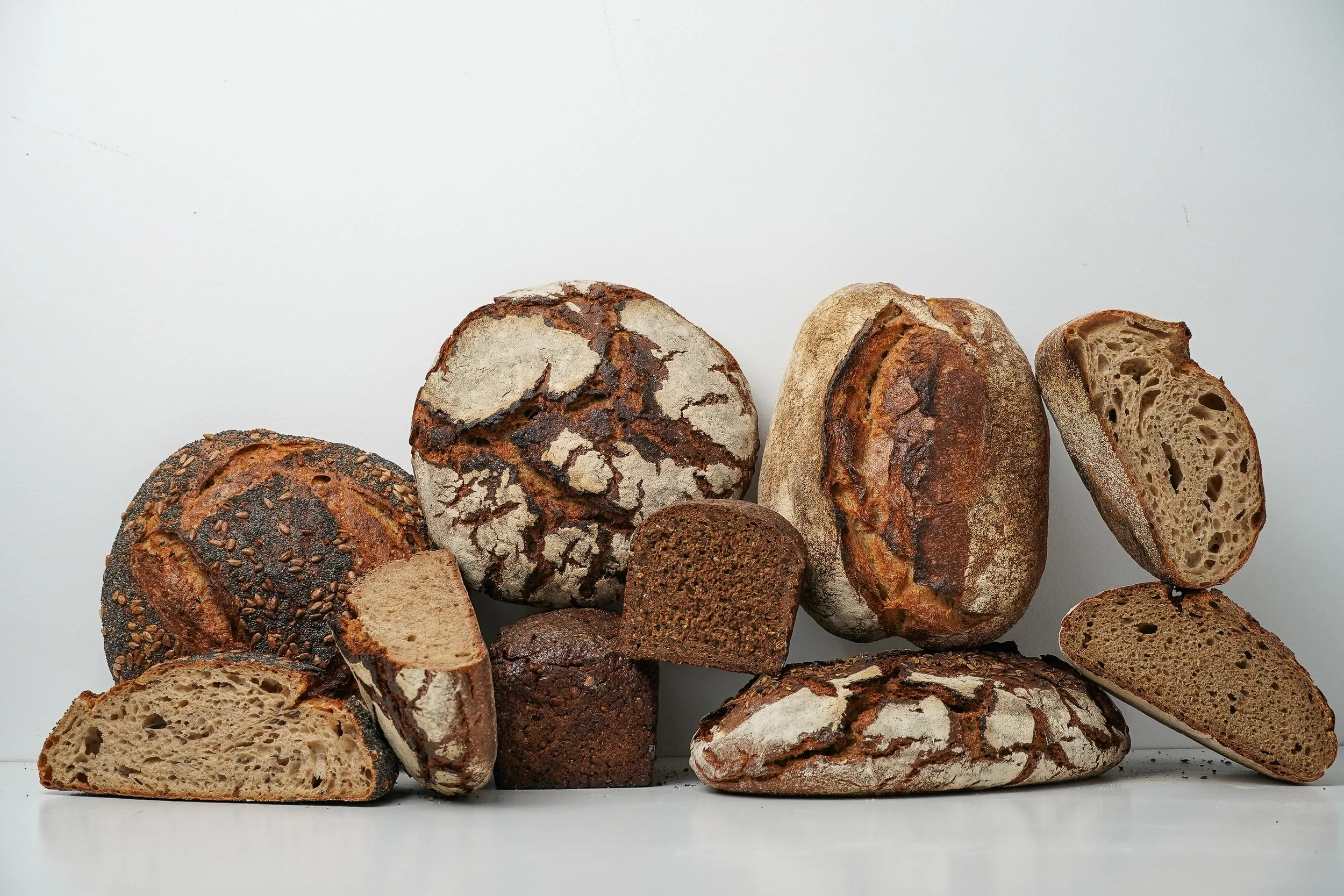
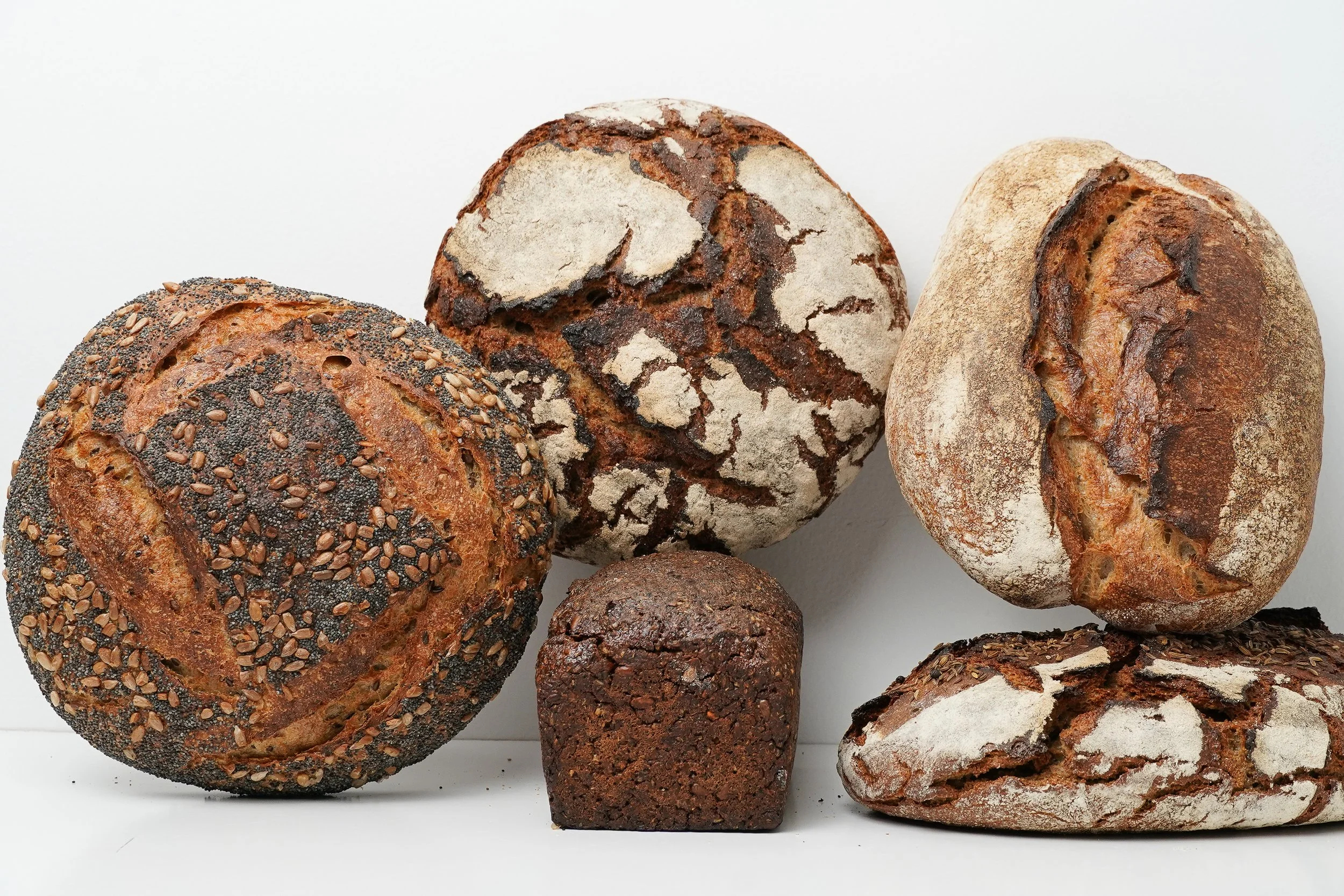
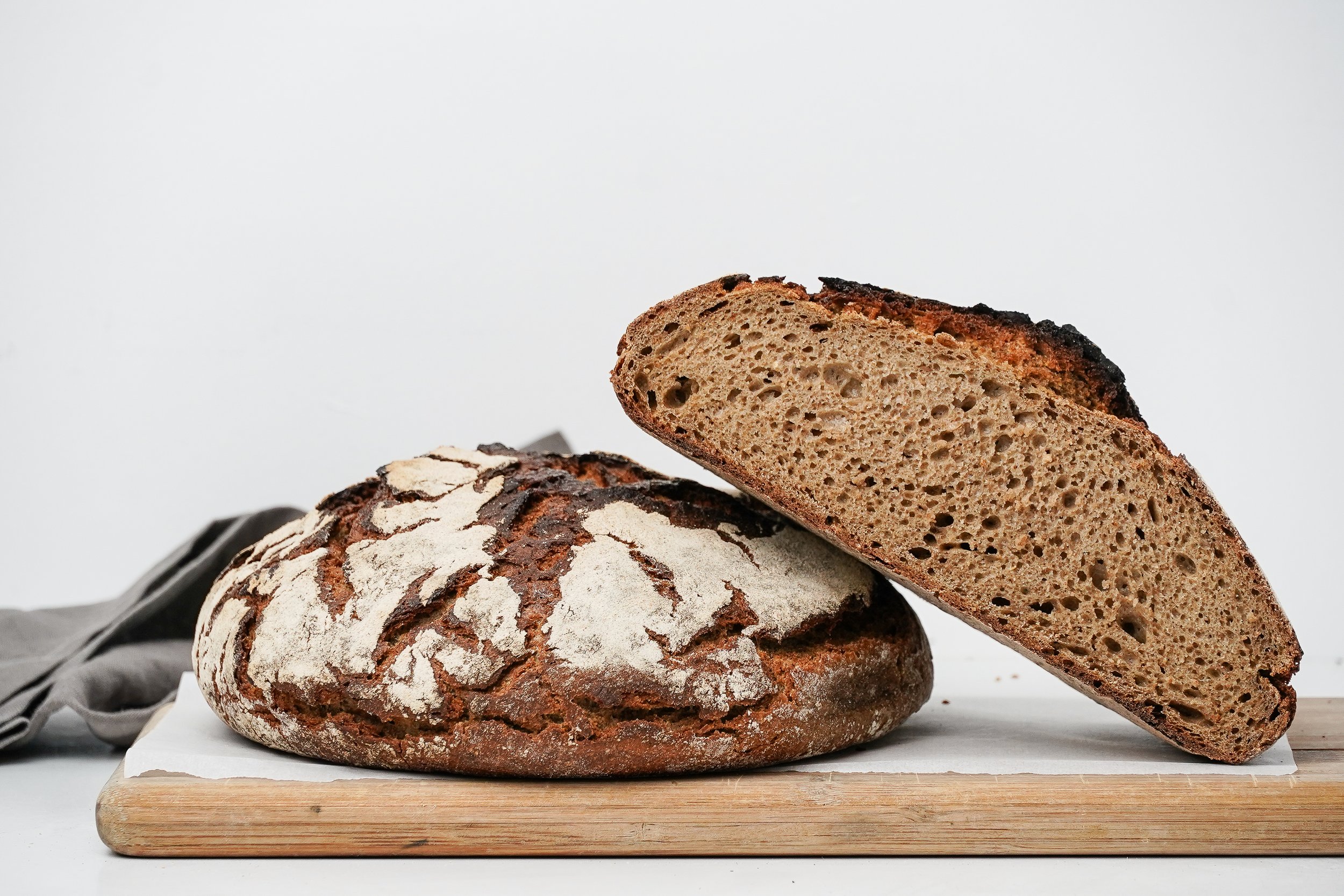
Our wheat loaf and seeded loaf contain 20% wholegrain flour, the rye loaf is 50% wholegrain and the spelt loaf contains 100% wholegrain.
Winner: WHITE SOURDOUGH
The battle continues 🥊💥🍞
ROUND THREE: VITAMINS & MINERALS
This is where things get interesting.
Grains naturally contain a range of vitamins and minerals, particularly in the bran and germ.
When grains are refined, some of these nutrients are lost.
That means neither white rice nor white flour-based bread contains the same nutritional profile as the whole grain they came from.
Wholemeal flour retains the bran and germ, where much of the grain’s fibre is concentrated, while white flour is refined to remove these layers, leaving predominantly the endosperm and therefore significantly less fibre.
White rice is predominantly a source of carbohydrate, although some white rice products are fortified with selected vitamins and minerals.
White sourdough can provide nutrients including B vitamins and minerals, with the exact nutritional profile depending heavily on the flour used.
And this is an important point:
"White" tells us about the level of refinement, not the entire nutritional story.
The flour, the grain, the recipe and the fermentation process all matter.
Winner: IT'S CLOSE
ROUND FOUR: HOW THEY AFFECT YOUR ENERGY
Carbohydrates have developed something of a bad reputation.
But carbohydrates are one of the body's primary sources of energy.
The more useful question is:
What happens to those carbohydrates when we eat them?
White rice and white bread are both relatively refined carbohydrate foods. Neither should be thought of as a "slow-release" food simply because it is a grain.
But sourdough fermentation adds another dimension.
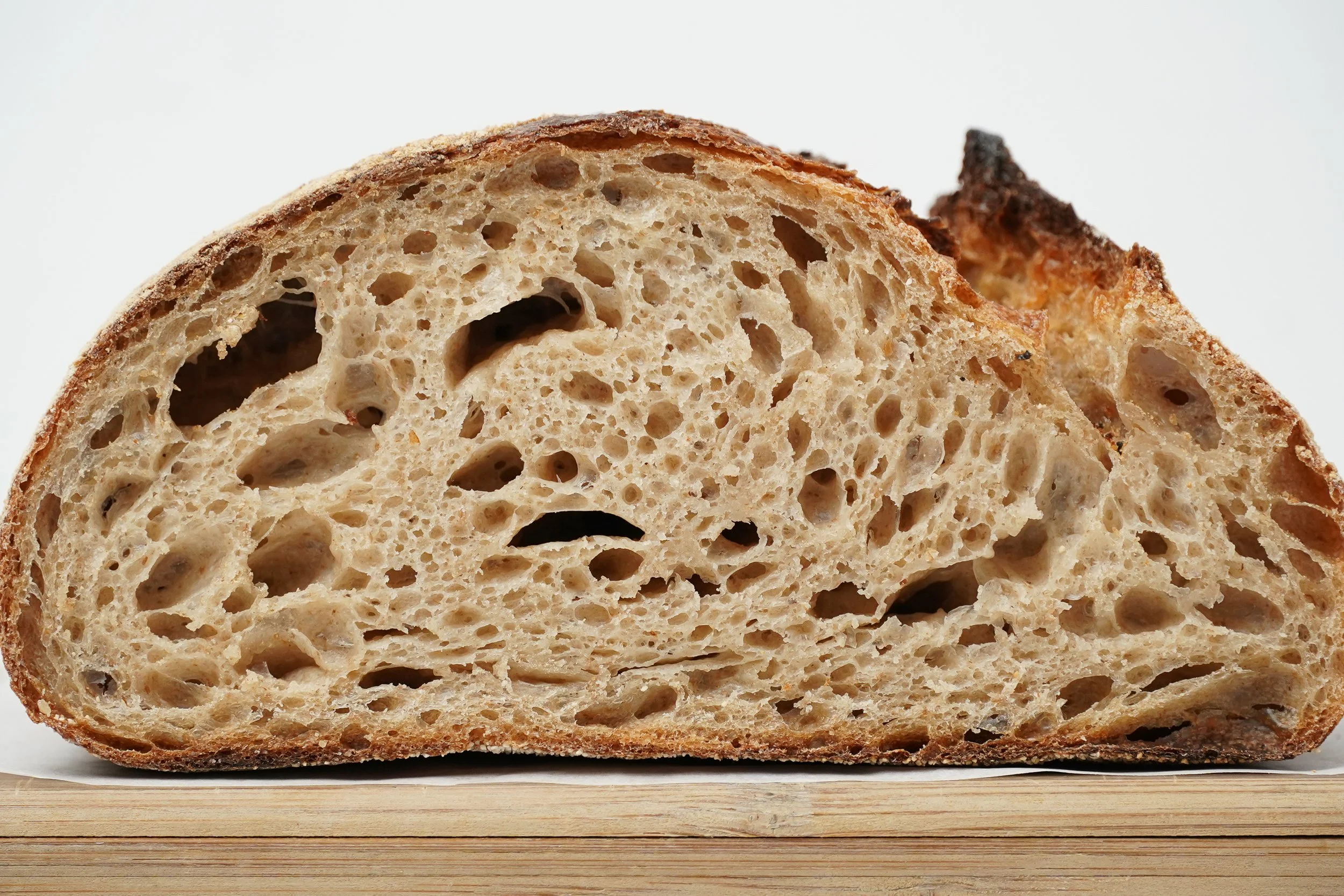
During sourdough fermentation, naturally occurring microorganisms ferment carbohydrates and produce organic acids. This changes the structure and composition of the dough and can influence how quickly the carbohydrates are digested.
Research suggests that sourdough fermentation can reduce the post-meal blood glucose response compared with some conventional breads, although the effect varies considerably depending on the recipe, flour, fermentation and how the bread is eaten.
So we shouldn't claim that all sourdough is "low GI" or that it won't raise blood sugar.
But the way a food is made can matter just as much as the fact that it is made from wheat.
Winner: WHITE SOURDOUGH
At Butterken, wholegrain flour is part of every loaf we make.
That means you're getting more of the grain and therefore more of the naturally occurring fibre, minerals and nutrients that come with it.
Our loaves contain:
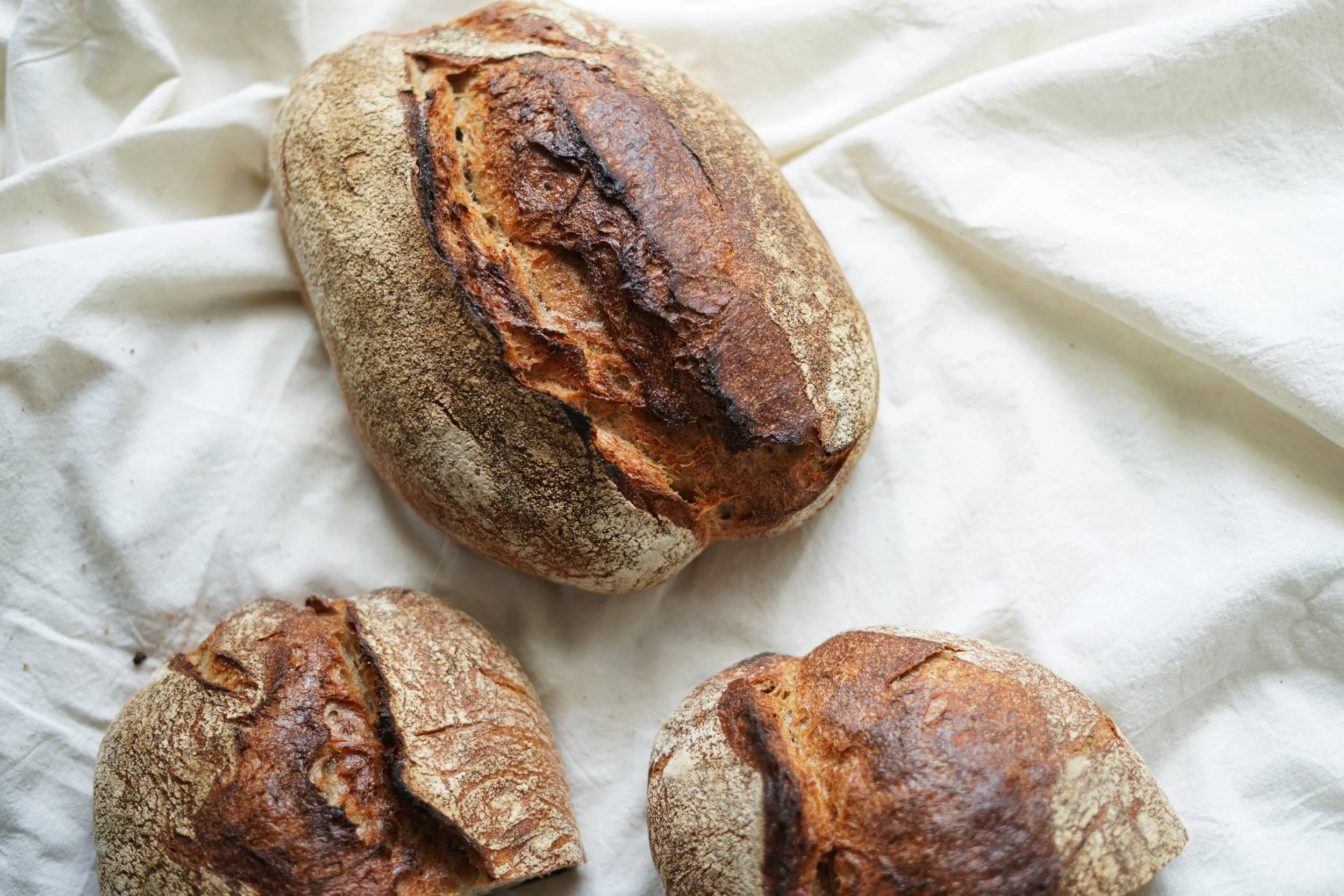
🌾 Wheat Loaf — 20% wholegrain flour
🌻 Seeded Loaf — 20% wholegrain flour
🌾 Rye Loaf — 50% wholegrain flour
🌾 Spelt Loaf — 100% wholegrain flour
SO, IS WHITE SOURDOUGH BETTER THAN WHITE RICE?
Not necessarily in every situation.
Both can have a place in a balanced diet.
But the idea that bread is inherently unhealthy while rice is inherently healthy doesn't really stand up.
A bowl of plain white rice and a slice of traditionally fermented white sourdough are both predominantly carbohydrate foods.
But they aren't identical.
White sourdough can offer:
• More protein per typical serving
• More fibre, depending on the flour
• A range of vitamins and minerals
• The potential benefits of sourdough fermentation
• A satisfying combination of carbohydrates, protein and structure
And then there's the biggest variable of all:
What are you eating with it?
Rice served with vegetables, legumes and protein is very different from rice eaten on its own.
Likewise, sourdough topped with eggs, avocado, vegetables or quality protein is a very different meal from highly processed white bread covered in ultra-processed spreads.
Food doesn't exist in isolation.




THE REAL TAKEAWAY
Maybe the question shouldn't be: "Is bread healthy? "Or: "Is rice healthier than bread?"
A better question is: "What kind of food am I actually eating?"
White rice can absolutely be part of a healthy diet.
And so can white sourdough.
The difference is that how a food is processed and made matters.
A traditionally fermented wholegrain sourdough made from simple ingredients such as flour, water and salt is a very different product from a highly processed packaged bread containing a long list of additives.
At Butterken, we believe bread deserves a little more credit.
Because bread isn't inherently unhealthy.
It's food. And like all food, the quality, ingredients, processing and how you eat it matter.
So enjoy your rice.
Enjoy your sourdough.
And maybe stop being afraid of bread.
